As an iPhone and Android developer, Devolim designs, builds and publishes mobile apps for businesses, shops and people with an app idea. We work with Flutter: a single codebase produces both the iPhone app and the Android app. We handle the design, the back end, publication on the App Store and Google Play, and the updates that follow. At the end of the project, the source code and every account access belong to you. Ten of our own apps are already live, and we reply to every enquiry in under 24 hours.
A complete app, on both stores
From the first screen to launch: design, development, back end and publication. One point of contact from start to finish.
Interface design
Screens designed for your audience, and tested on a phone before development starts.
Flutter development
A single codebase for iPhone and Android, as smooth as a native app.
Back end and accounts
Sign-in, database, notifications, payments and subscriptions.
Publication
App Store and Google Play listings, screenshots, Apple and Google review.
Maintenance and new features
Updates for every new version of iOS and Android, fixes, new features.
What you can put in an app
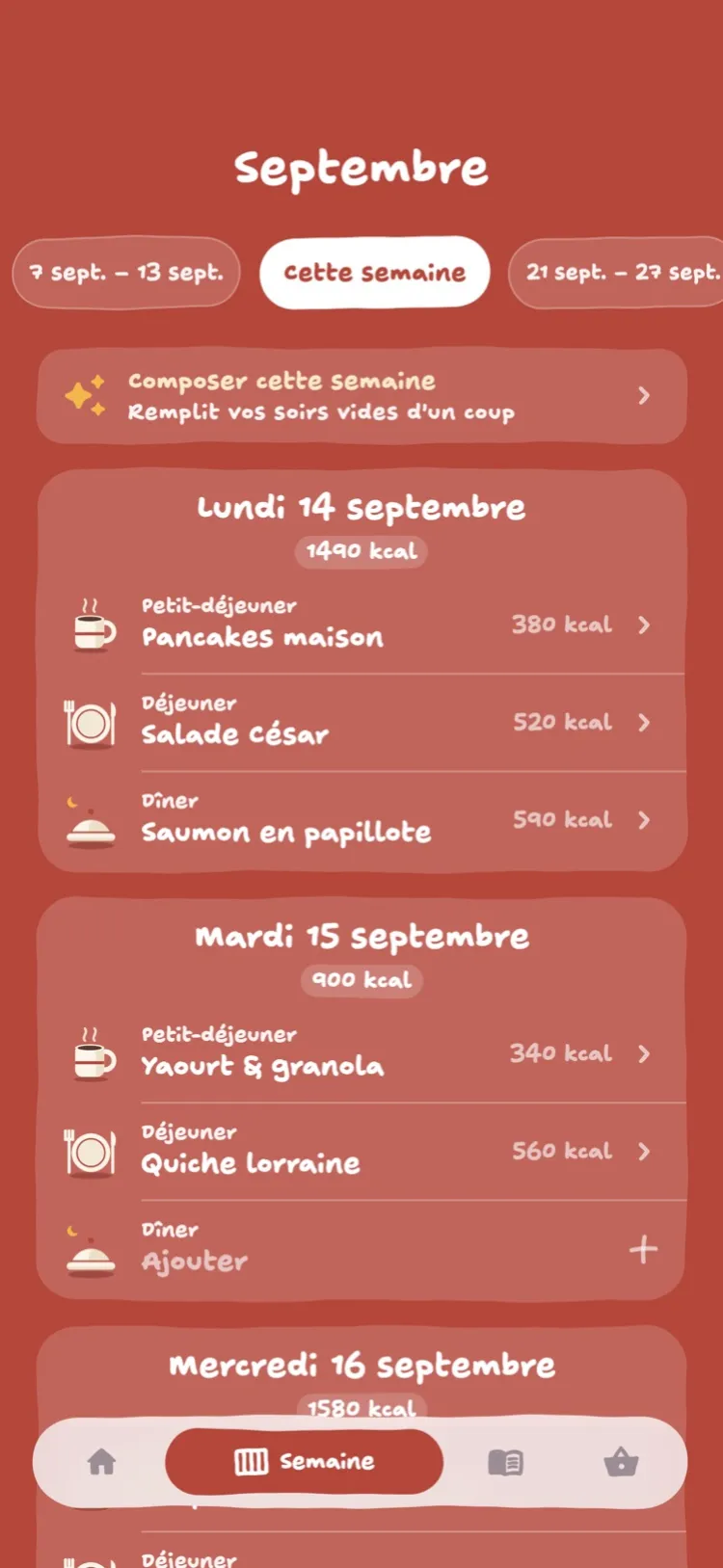
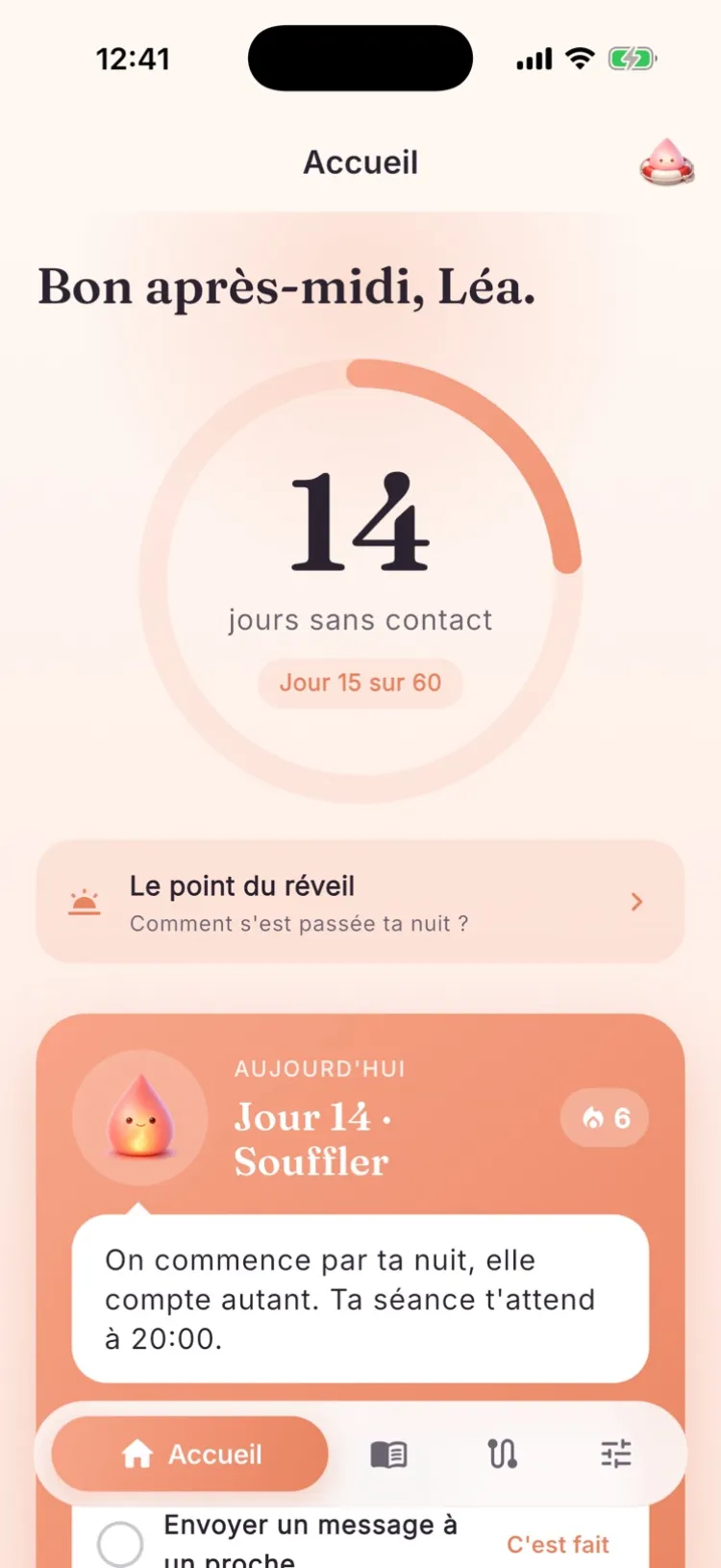
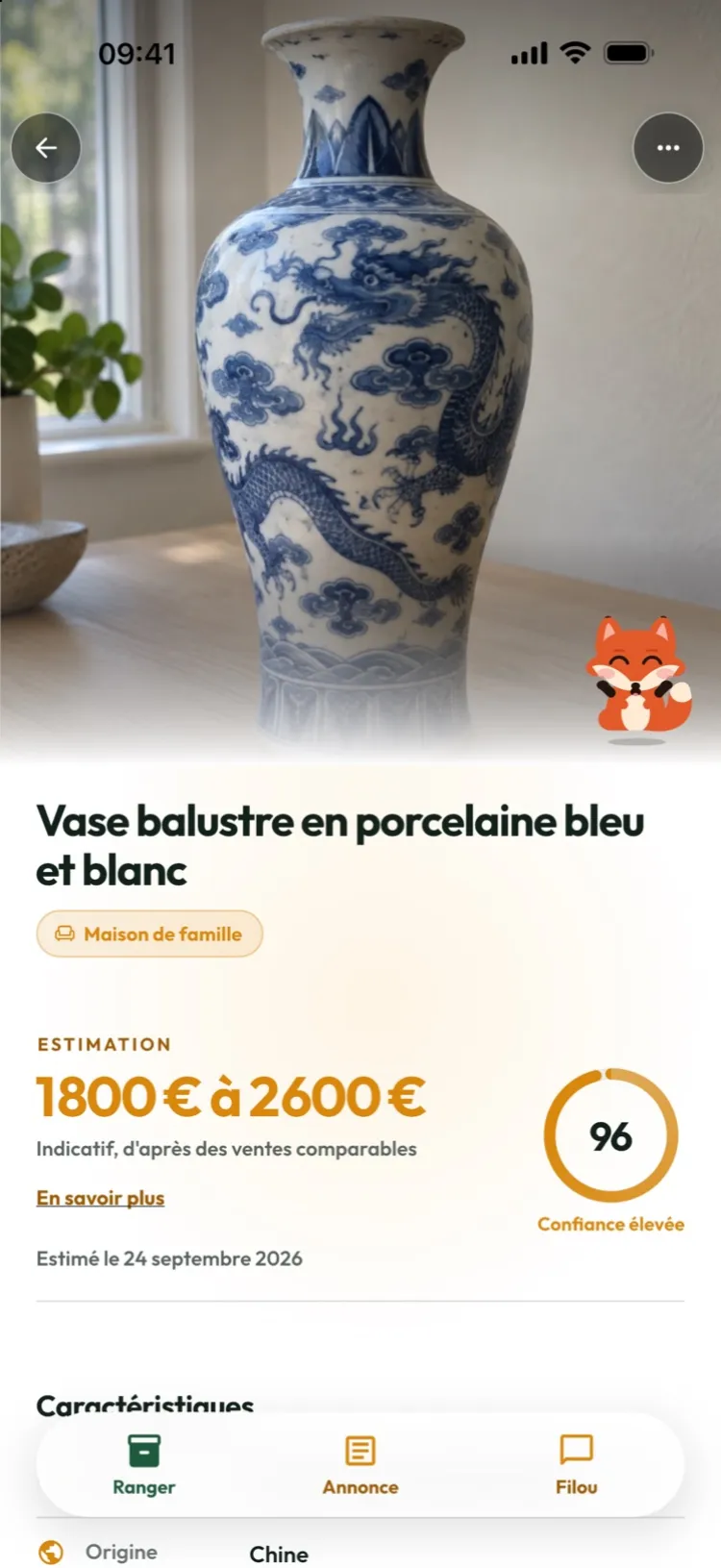
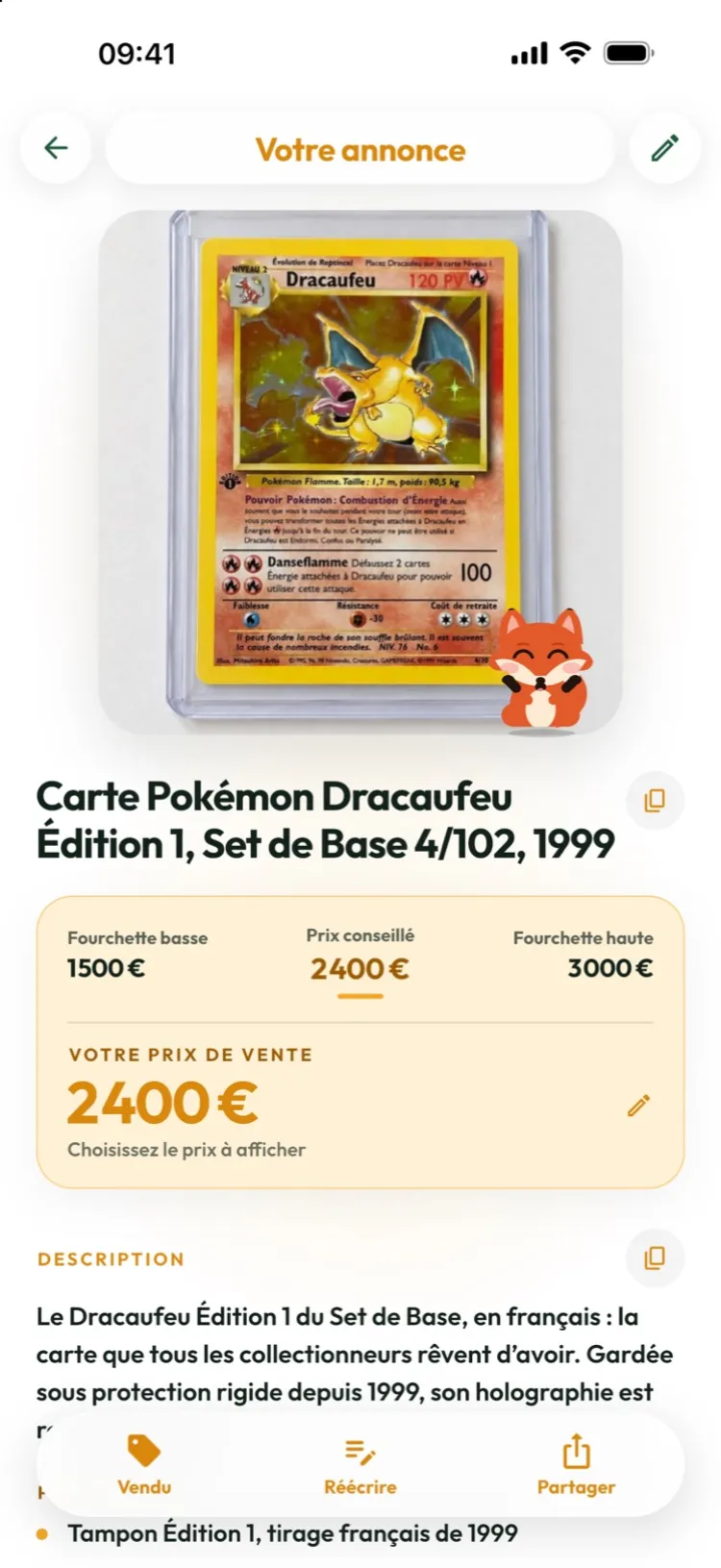
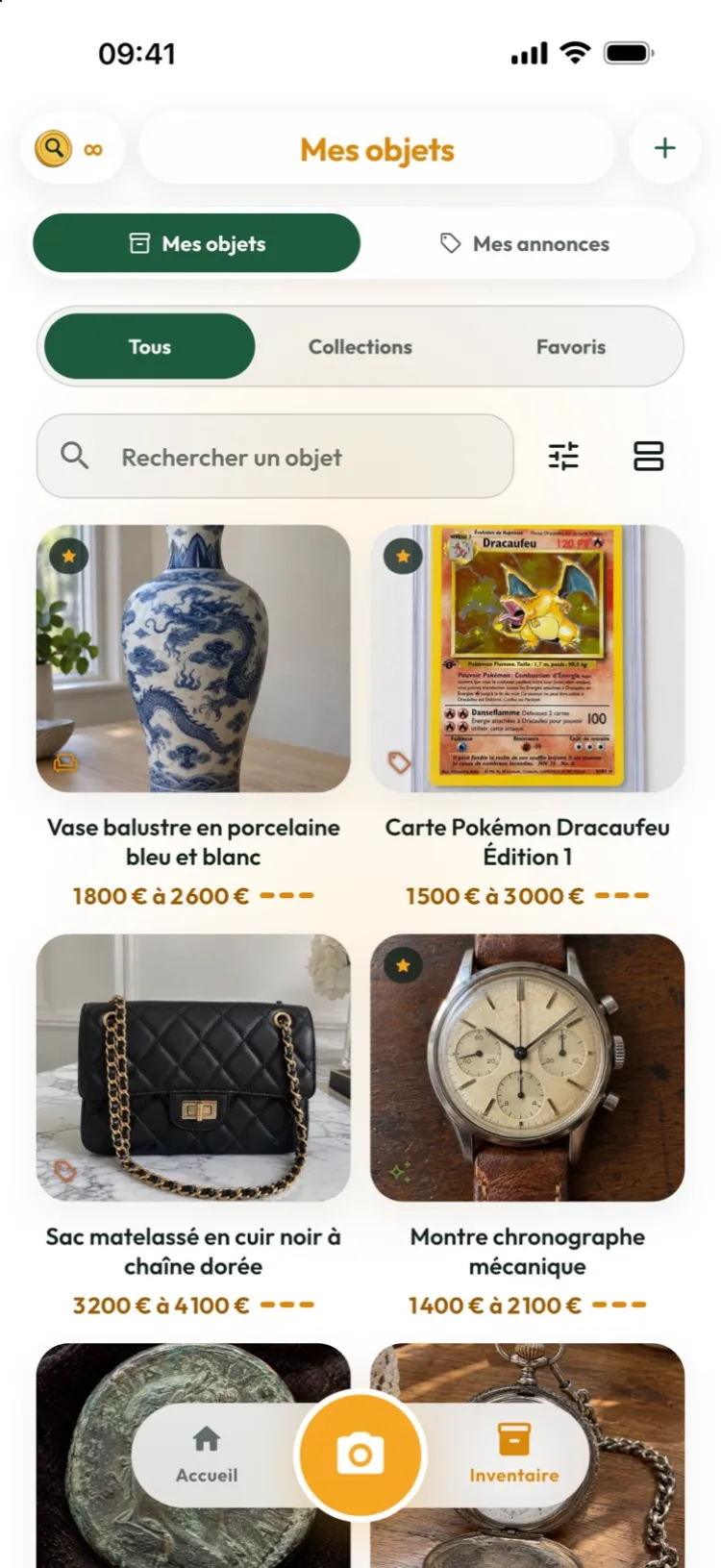
Shown here with Estimation Objet, one of our apps. Everything around it, we can build into yours.
NotificationsReminders and alerts at the right moment.
AccountsSign in with email, Apple or Google.
In-app purchasesSubscriptions and paid options inside the app.
CameraTake photos, scan, recognise an object.
Maps and GPSFind the nearest, give directions, track a journey.
AIA smart feature that saves time.
WidgetsThe essentials on the home screen.
OfflineWorks even without a signal.
Face IDOpen the app with a glance or a fingerprint.
Multiple languagesThe same app, translated for other countries.
Why Flutter?
Flutter is the technology Google created for building apps. We use it for all 10 of our apps. Here is what it changes for you, in plain terms, with the technical words for those who want to dig deeper.
iPhoneApp Store
One codebasewritten once, with Flutter
AndroidGoogle Play
The same code produces both the iPhone app and the Android app. Here, Estimation Objet, one of our own apps.
One codebase, two apps
We write the app once and it ships on both iPhone and Android. One project to fund, test and develop further.
Dart
Single codebase
As fast as a native app
The app is compiled into real machine code for the phone. It isn't a website in disguise: it starts quickly and responds instantly.
AOT compilation
Native ARM code
No WebView
Smooth animations
Flutter draws every pixel itself. Animations follow the screen's refresh rate, up to 120 frames per second when the phone supports it.
Impeller engine
GPU rendering
60 to 120 fps
The same design everywhere
Your app looks exactly the same on every phone, with your colours and your fonts, no compromises.
Widgets
Material 3
Cupertino
Faster updates
A new feature is built once and lands on both stores the same day. During development, every change shows up live.
Hot reload
Synchronised releases
The whole phone, within reach
Camera, GPS, notifications, Face ID, widgets, payments: whatever the phone can do, the app can use.
Native plugins
Swift and Kotlin if needed
Two native apps
Two apps to write: Swift for iPhone, Kotlin for Android
Twice the development, testing and bug fixing
New features that sometimes arrive on different dates
or
One Flutter app
A single Dart codebase for both
Shared development and testing
Both versions move forward together, on the same day
So when is native the better choice? For an app that relies almost entirely on one very specific phone feature, such as advanced augmented reality or a smartwatch. If that is your case, we will tell you from the very first conversation.
The back end, the invisible part
The app on the phone is only the visible part. Behind it, a server holds the accounts and the data, sends the notifications and does the processing. That is the back end, and we build it too.
Your appOn your customers' phones
Internet
The back end
AccountsAuthentication
DataDatabase
Photos and filesStorage
NotificationsPush
PaymentsSubscriptions
Processing and AIServer functions
Three ways to host it
Firebase
The quickest way to start
Google's platform. Accounts, a real-time database, notifications and server functions are ready to use, and everything scales on its own with the number of users.
Ideal ifYou want to launch fast, without managing a server.
Speed to launch
Freedom to switch
Low maintenance
Firestore
Authentication
Cloud Functions
Cloud Messaging
Storage
Crashlytics
Supabase
For well-structured data
An open source alternative built on PostgreSQL, a proven SQL database. Ideal when your data is interlinked: customers, orders, appointments.
Ideal ifYour data has lots of relationships, or you want to be free to change host.
Speed to launch
Freedom to switch
Low maintenance
PostgreSQL
Row Level Security
Realtime
Edge Functions
Open source
Your own server
Everything stays with you
A server all of your own, with the host of your choice, in France if you prefer. You stay in control of the data, the rules and the costs.
Ideal ifYou handle sensitive data, have an existing system to connect, or expect high volumes.
Speed to launch
Freedom to switch
Low maintenance
REST API
Node.js or Dart
PostgreSQL
Docker
Backups
Already have software or a server? We connect the app to it through an API, so it can read and write your existing data. And whichever option you choose, the back-end code belongs to you, just like the app code.
Making money with your app
An app can make money in several ways. We help you choose the right one, then we set it up, from the buy button to revenue tracking.
Subscription
Monthly or yearly, often with a few days of free trial. The most common model today.
In-app purchase
Unlock an option, some content or a lifetime Premium version with a single payment.
Freemium
The app is free for everyone, and the advanced features are kept for the paid version.
Advertising
A free app funded by banners or videos, which users can remove by going Premium.
RevenueCat, your app's cash register
Selling a subscription in an app means handling free trials, renewals, refunds and two different stores. RevenueCat takes care of all that, and we integrate it for you.
iPhone and Android in one placeApple and Google each have their own payment system. RevenueCat brings them together, so you know who has paid, whatever their phone.StoreKit and Play Billing
Verified purchasesEvery purchase is checked by a server before anything is unlocked, which prevents fraud.Receipt validation
The subscription screen changes without an updateWe change the offer, the wording or the layout remotely, without republishing the app.Remote paywalls
The right numbers, and testingActive subscribers, trial conversions, cancellations: everything is tracked, and we can compare two offers to keep the better one.MRR, churn, A/B tests
Go Premium
No ads
Every feature
On all your devices
Yearly7 days freeMost popularMonthlyCancel anytimeStart free trialRestore purchases
New subscriberFree trial converted to a yearly planActive subscribers
Example projects
Launch your own app
You have an idea for a consumer app: we build it and publish it on the stores, free, paid or subscription-based.
Retail and bookings
Appointments, ordering, loyalty cards: the app that brings your customers back.
Customer portal
Your customers follow their files, message you and find their documents.
An app for your teams
Out in the field, your teams fill in, photograph and send, with no paperwork.
What you get
What we hand over at the end of the project, explained and ready to use.
The source code, yoursAll the code for the app and the server. You can carry on with us, or with anyone you like.
Your app, livePublished on the App Store and Google Play, under your name, with carefully crafted listings.
Every accessServer, database, payments, store accounts: nothing stays locked in with us.
A dashboard to manage it allEdit content, see your users, track sales, without touching the code.
Clear documentationHow the app is built, and how to take it further.
Ongoing support, if you want itiOS and Android updates, fixes and new features, as you go.
Ten apps already on the stores
Designed, built and published by Devolim, with the same method we would use for your project.
You do. At the end of the project, we hand over the source code, the documentation and every access. You can carry on with us, or with anyone you like.
How long does it take to build an app?
It mainly depends on the number of screens and what sits behind them: accounts, payments, AI. After our first conversation, we give you a precise schedule, step by step.
Why Flutter rather than native?
One codebase for iPhone and Android: one project to fund and develop instead of two. All our apps are built this way. If your project calls for native, we will tell you.
Do you handle publication on the stores?
Yes: listings, screenshots, and answering Apple's and Google's questions during review. We publish our own apps the same way.
What happens after launch?
An app lives on: new versions of iOS and Android, user feedback, new ideas. We take care of the updates and new features.
Will the app work on older phones?
Yes, on the versions of iOS and Android still in use. We test on real devices before every release.
Can you take over an existing app?
Yes. We first review the code and the state of the app, then suggest either developing it further or rebuilding it.